Kyphoplasty Technology

/Kyphoplasty Technology
Kyphoplasty Technology 2025-03-01T10:10:49+00:00

Kyphoplasty Technology Supplier UK

Lindare Medical is proud to supply Medtronic’s Kyphon™ Balloon Kyphoplasty Platform to NHS and Private Hospitals across the UK, designed to restore vertebral height and correct angular deformity from vertebral compression fractures due to ailments such as osteoporosis, cancer, or benign lesions.

Contact Us

Balloon Kyphoplasty Treatment

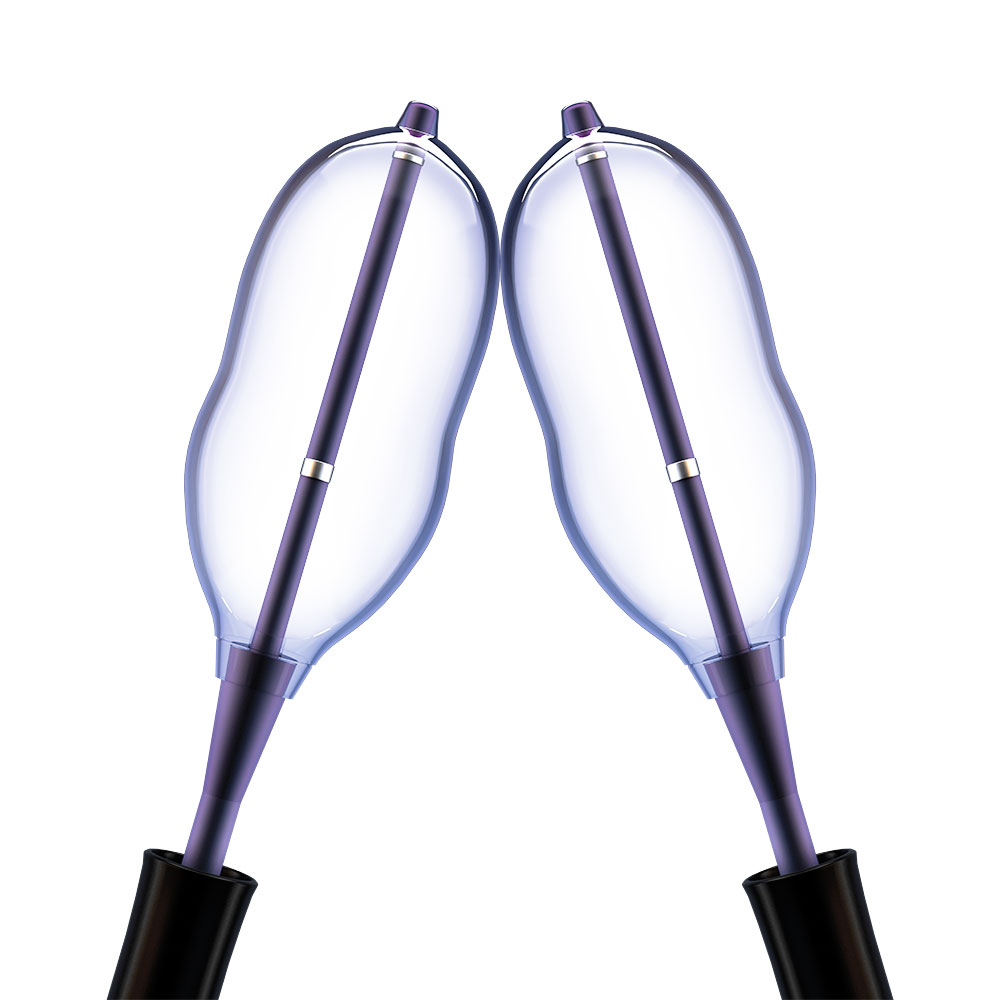
The specialty physician uses a needle and cannula to establish a small pathway into both sides of a fractured vertebral body via two small incisions, each around 1 cm long. A tiny balloon is inserted through each cannula into the vertebra, and with precision, each balloon is inflated to elevate the collapsed vertebra and restore it to its normal position. The inflation of the balloons generates a void or cavity within the vertebral body.

After positioning the vertebra correctly, the balloons are deflated and removed. The resulting cavities are then filled with bone cement, creating an “internal cast” that provides support to the surrounding bone and prevents further collapse.

The balloon kyphoplasty procedure typically lasts about one hour per fracture and can be conducted on an outpatient basis. The choice between local or general anaesthesia depends on the patient’s overall condition, and the specialty physician will determine the most suitable method.
Kyphoplasty Technology

Balloon Kyphoplasty Platform UK Supplier

Balloon kyphoplasty utilises orthopedic balloons to restore vertebral height and correct angular deformity resulting from vertebral compression fractures (VCF). Following the reduction process, the balloons are deflated and extracted. The resulting void allows for a controlled application of bone cement, creating an internal cast to stabilise the fracture.

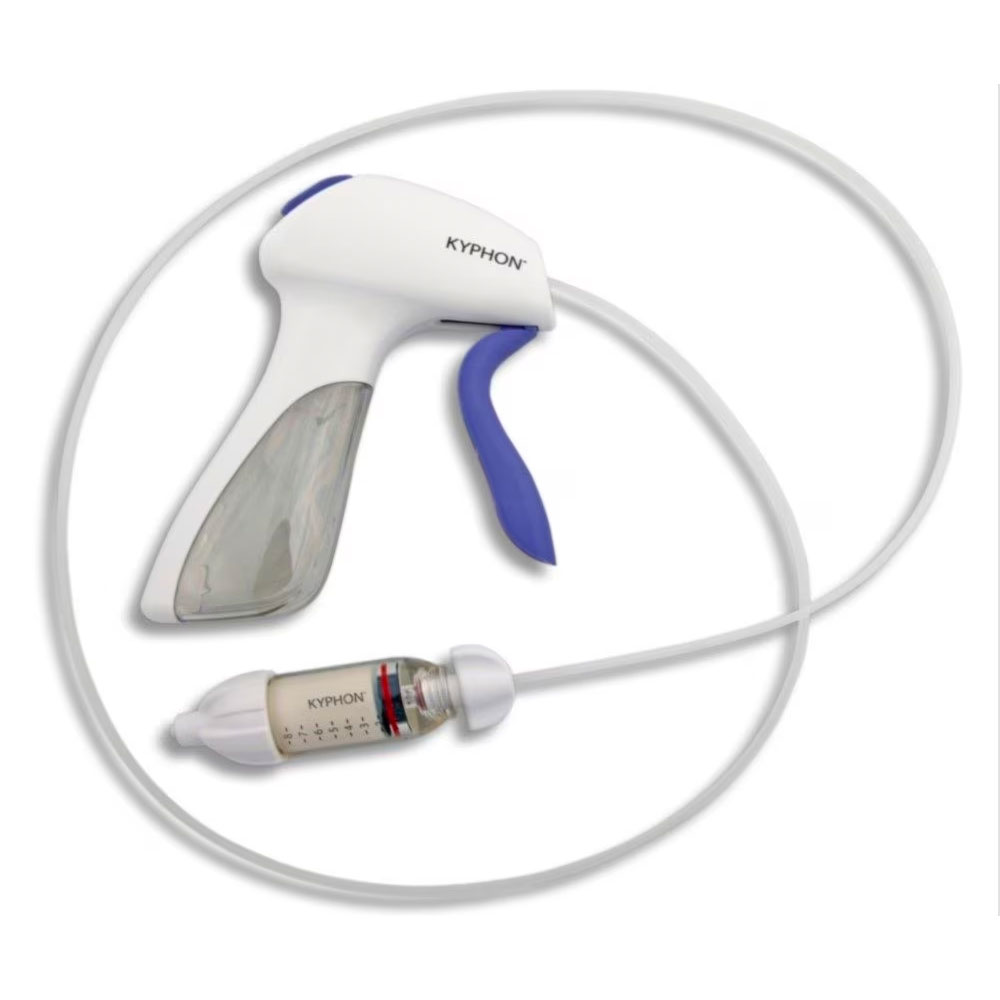
Distinctive features of the Kyphon™ balloon kyphoplasty platform include a maximum rated inflation pressure of 700 psi (an improvement from the previous 400 psi rated balloons). The cement resistance technique enables the delivery of cement through one cannula while maintaining the inflation of the contralateral balloon to uphold fracture reduction. The Kyphon™ cement delivery system (CDS) facilitates cement delivery from a distance of up to 48 inches away from the radiation source during a kyphoplasty procedure.

Request Product Demonstration
Balloon Kyphoplasty Platform UK Supplier

Vertebral Compression Fracture

Vertebral compression fractures occur when the spinal bones collapse or compress, often resulting in severe pain and restricted mobility. Timely intervention can significantly improve a patient’s comfort and help avoid further complications. One of the most effective approaches is kyphoplasty, a minimally invasive procedure designed to restore vertebral height and stabilise damaged segments. During kyphoplasty, a small balloon is carefully inserted into the affected vertebra and then gently inflated under real-time imaging. This action creates a cavity and can help raise the bone back towards its original shape. Once the balloon is deflated and removed, orthopaedic bone cement is injected into the created space. The cement hardens within minutes, reinforcing the vertebra and relieving stress on surrounding structures.

This treatment offers numerous advantages, including rapid pain relief, shorter hospital stays, and a lower risk of future vertebral collapse. Patients often experience improved posture, enhanced mobility, and a return to daily activities without the debilitating discomfort commonly associated with fractured vertebrae. Additionally, kyphoplasty may minimise the need for prolonged bed rest or potent painkillers, which can come with undesirable side effects. By addressing the underlying structural damage promptly, this treatment not only alleviates acute symptoms but also contributes to better long-term spinal health and overall quality of life.

Learn More

Vertebral Compression Fracture from Osteoporosis

Osteoporosis weakens the bone structure by reducing its density, making vertebrae particularly susceptible to fractures from everyday movements or minor stresses. When vertebral compression fractures occur due to osteoporosis, one key goal is to provide immediate pain relief while reinforcing the spine to prevent subsequent injuries. Kyphoplasty has emerged as a highly effective procedure for this scenario, offering targeted repair without extensive surgery. Under image guidance, a narrow tube is inserted into the compromised vertebra, and a tiny balloon is expanded. This step can help gently elevate the bone, creating space for the delivery of medical-grade cement once the balloon is removed.

Compared to traditional methods of conservative management—such as bed rest, back braces, and pain medications—kyphoplasty often provides more rapid results. It is usually performed under local or general anaesthesia and is generally associated with minimal blood loss and short recovery times. Many osteoporotic patients report a significant reduction in back pain soon after the procedure, along with improved mobility that allows them to resume daily tasks. By reinforcing weakened vertebrae, kyphoplasty helps reduce the likelihood of subsequent fractures, contributing to a safer, more active lifestyle. This targeted approach is particularly beneficial for older adults who may otherwise be limited by chronic discomfort and fear of further injury.

Learn More

Vertebral Compression Fracture from Cancer

Vertebral compression fractures caused by cancer—either through metastatic spread or primary tumours in the spine—demand a specialised treatment approach to address both the structural damage and underlying disease. Tumour involvement can weaken the vertebrae significantly, making them prone to collapse. In such cases, combining oncological therapies (like chemotherapy or radiotherapy) with a structural intervention is often the most effective route. Kyphoplasty, alongside appropriate cancer management, offers a way to stabilise the compromised vertebra and alleviate debilitating pain.

During the procedure, clinicians use advanced imaging to guide a balloon catheter into the affected vertebra. Once inflated, it can restore some of the vertebral height lost due to tumour damage. The cavity created is then filled with quick-hardening cement, which strengthens the bone and supports the spinal column. Patients frequently notice an immediate reduction in pain, enabling them to breathe, move, and rest more comfortably. Additionally, kyphoplasty may lessen the need for high-dose painkillers, which can carry side effects that undermine quality of life. By addressing the mechanical instability in the spine, patients can better tolerate ongoing cancer treatments. Ultimately, this integrated approach not only relieves symptoms but also helps maintain mobility and independence, which are essential for overall well-being during cancer care.

Learn More

Vertebral Compression Fracture from Benign Lesions

Benign spinal lesions, such as haemangiomas or osteoid osteomas, can occasionally compromise vertebral integrity and height, leading to compression fractures similar to those seen in osteoporosis or other conditions. While these growths are non-cancerous, they may still weaken bone structures and cause pronounced pain. In such instances, kyphoplasty can be a valuable solution for repairing the damaged vertebra, relieving discomfort, and preventing further collapse. Before the procedure, specialists typically carry out detailed imaging studies to confirm that the lesions are indeed benign and to assess the best approach for stabilisation.

Kyphoplasty involves a small surgical pathway into the vertebra, through which a balloon is inserted and inflated. This step creates a cavity by lifting the collapsed bone fragments. Once the balloon is deflated and removed, the space is filled with durable cement, providing internal support that hardens rapidly. With the vertebra reinforced, many patients experience prompt relief and can regain mobility without enduring prolonged bed rest. Additionally, the procedure’s minimally invasive nature often translates to a shorter recovery timeframe compared to traditional surgery. By promptly reinforcing vertebrae affected by benign growths, individuals can return to everyday activities more quickly and reduce the chance of ongoing spinal complications.

Learn More
Kyphoplasty Technology Supplier

Kyphoplasty Technology Supplier UK

Lindare Medical proudly serves as a leading supplier, specialising in delivering the advanced Kyphon™ balloon kyphoplasty platform to both the NHS and private hospitals nationwide. Drawing upon more than two decades of expertise, we have established enduring partnerships with numerous hospitals across the UK.

In addition to our primary focus on the Kyphon™ platform, Lindare Medical offers a range of cutting-edge spinal solutions tailored for hospitals and surgeons throughout the country. Our dedicated page showcases our comprehensive product range, providing a diverse spectrum of solutions.

For those interested in the Kyphon™ balloon kyphoplasty platform or other spinal solutions, we invite you to connect with us. Our experienced account managers are readily available to engage with you directly, facilitating product demonstrations and delivering detailed information to ensure a seamless experience at your convenience.

Contact Us

Who We Supply

We serve a range of private and NHS hospitals nationwide with a variety of spinal solutions.

Need more information?

For further information about our kyphoplasty products, please feel free to get in touch directly.

CONTACT US